Irrigation System Automation
Automation in irrigation management critical in today’s production agriculture, as it both conserves water and improves crop yields. Likewise, you’ll see reduction in labor costs as you gain efficiency. Common types of automation include:
Time-Based Automation
Time-Based Automation incorporates timers to start and stop irrigation The most basic system, its common in sprinkler and drip irrigation systems. While simple and inexpensive, real-time conditions unfortunately don’t respond to preset times, which is its biggest disadvantage.
Sensor-Based Automation
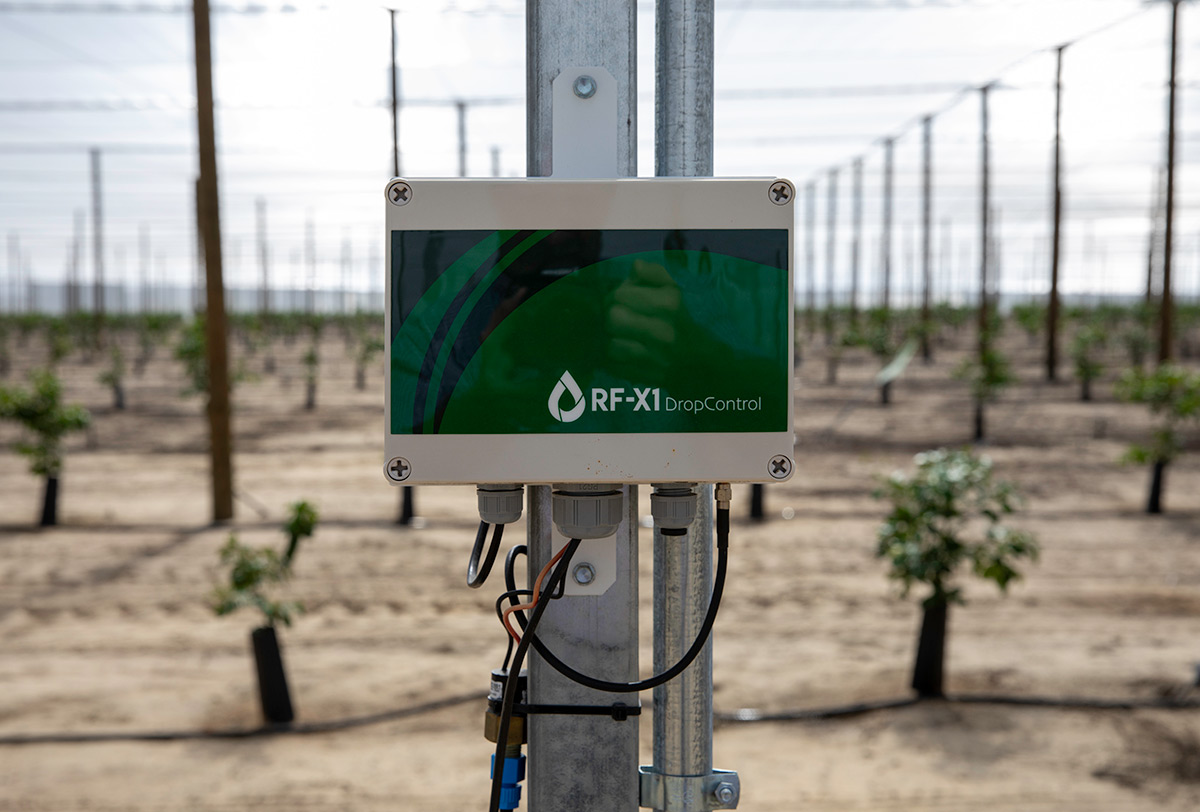
More advanced, Sensor-Based Automation turns irrigation systems on and off using soil moisture & humidity sensors, rain detectors and evapotranspiration (ET) data and other weather data. It’s paired with automatic valves and controller units to help prevent over- or underwatering. Though it’s adaptive and water-efficient, routine calibration and maintenance are required.
Smart Controllers/Weather Based Automation
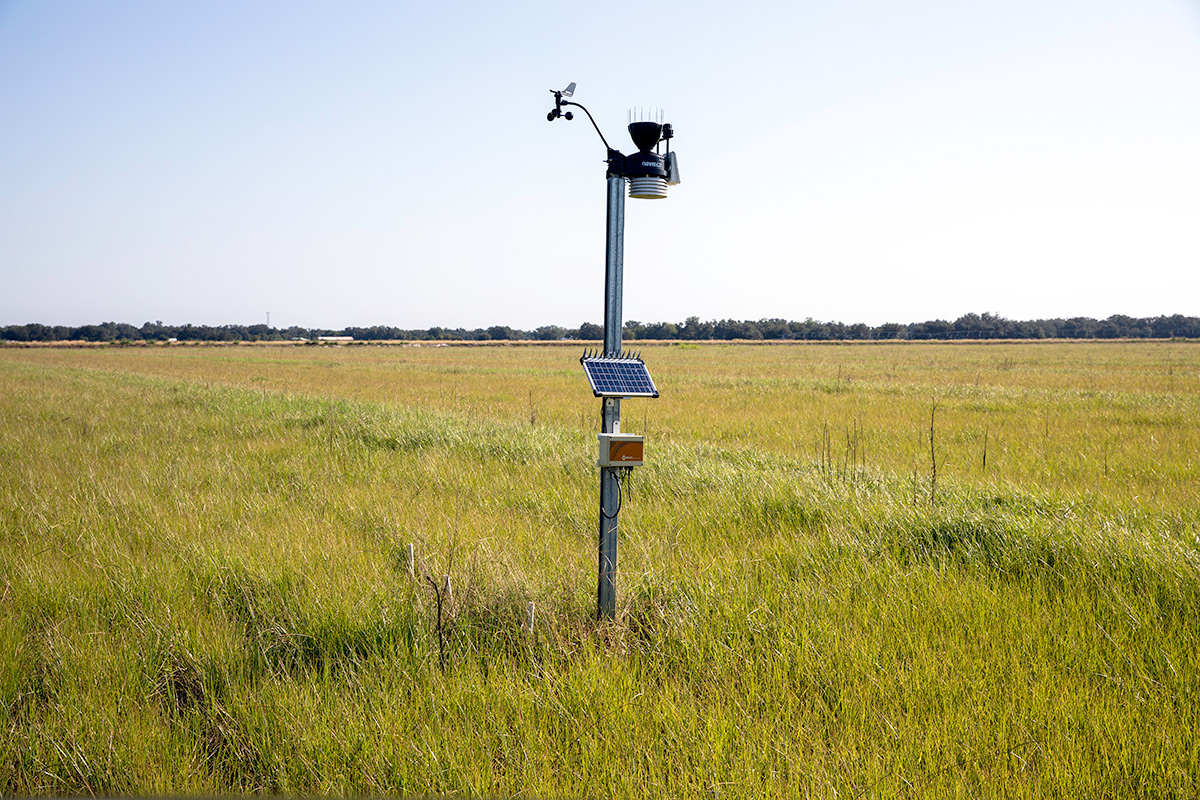
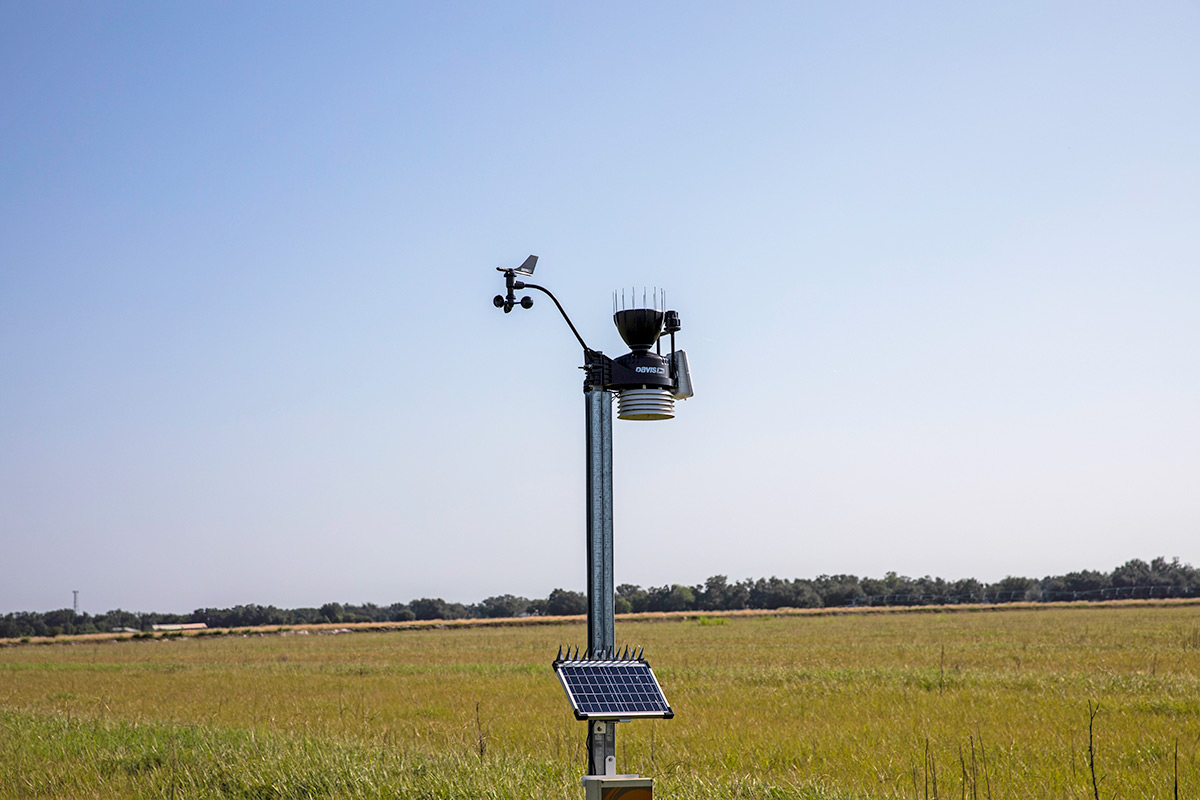
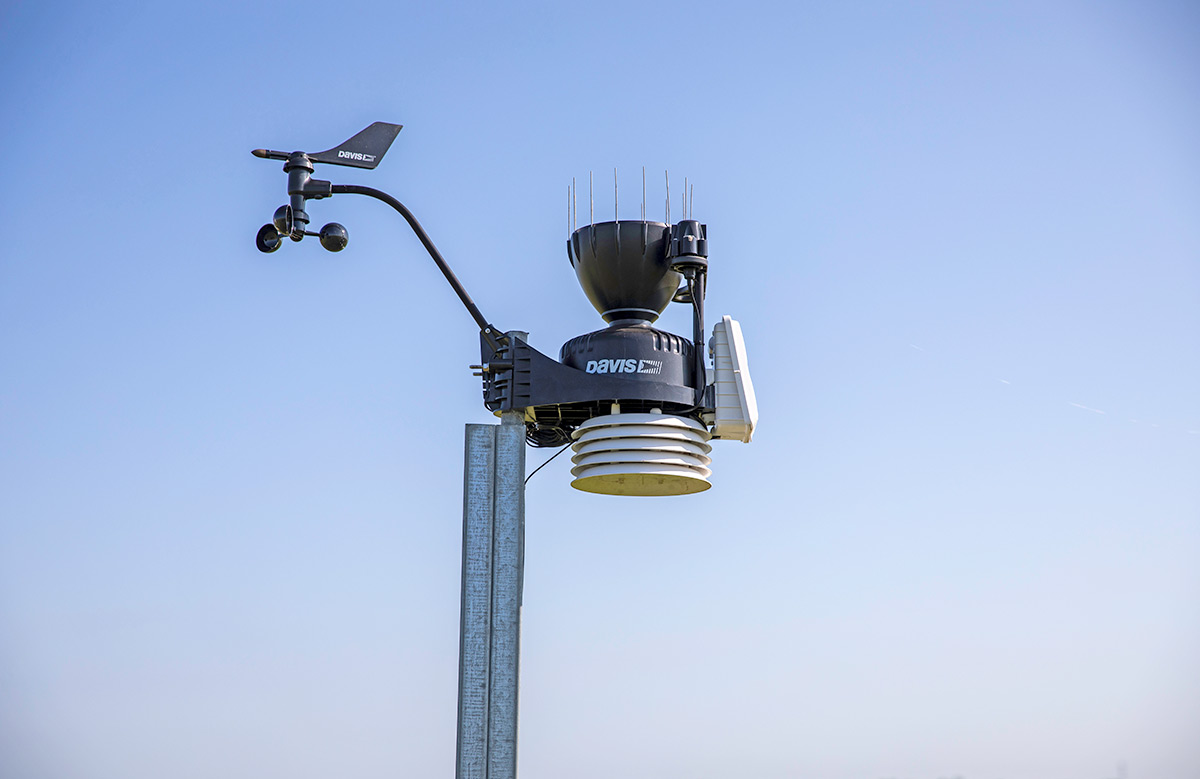
Smart Controllers combine both Time- and Sensor-Based logic to automate irrigation. True to its name, it collects weather data from weather stations or weather forecast APIs and will adjust irrigation based on rainfall, temperature, humidity, wind and ET rates.
While it reduces over- or underwatering by accounting for natural rainfall, it does require access to real-time weather updates.
This form of automation is commonly used in large fields, orchards and vineyards and can be remotely programmed via a smartphone or laptop.
Variable Rate Irrigation (VRI)
Driven by GPS or drone-based technology, VRI will direct different water amounts to different field zones based on factors such as soil type, detected soil moisture and soil type.
VRI is commonly used in center pivot and linear move system, offering maximum uniformity and yield. Initial design costs can be high and setup complex though requiring cost-benefit considerations.
Fully Automated Systems
Fully Automated Systems are also known as IoT Enabled or Cloud-Based Automation. Weather stations, pump controllers, flow meters and AI-based decision support are integrated with wireless networks to take advantage of cloud computing capabilities.
Real-time data drives irrigation automation from planting to harvest, resulting in full automation, data analytics and remote access.
Large-scale farming operations, technologically advanced operations and governmental research stations will typically require these systems.