Citrus Under Protective Screen (CUPS)
CUPS: Florida’s Innovative Answer to Citrus Greening
Florida’s citrus industry has been under siege for years from its most devastating adversary—Huanglongbing (HLB), or citrus greening disease. Spread by the tiny Asian citrus psyllid, this bacterial infection stunts growth, reduces fruit production and renders much of the harvest unmarketable. To combat this crisis, growers and researchers are turning to an innovative production method known as Citrus Under Protective Screen (CUPS).
Harplyn’s Role
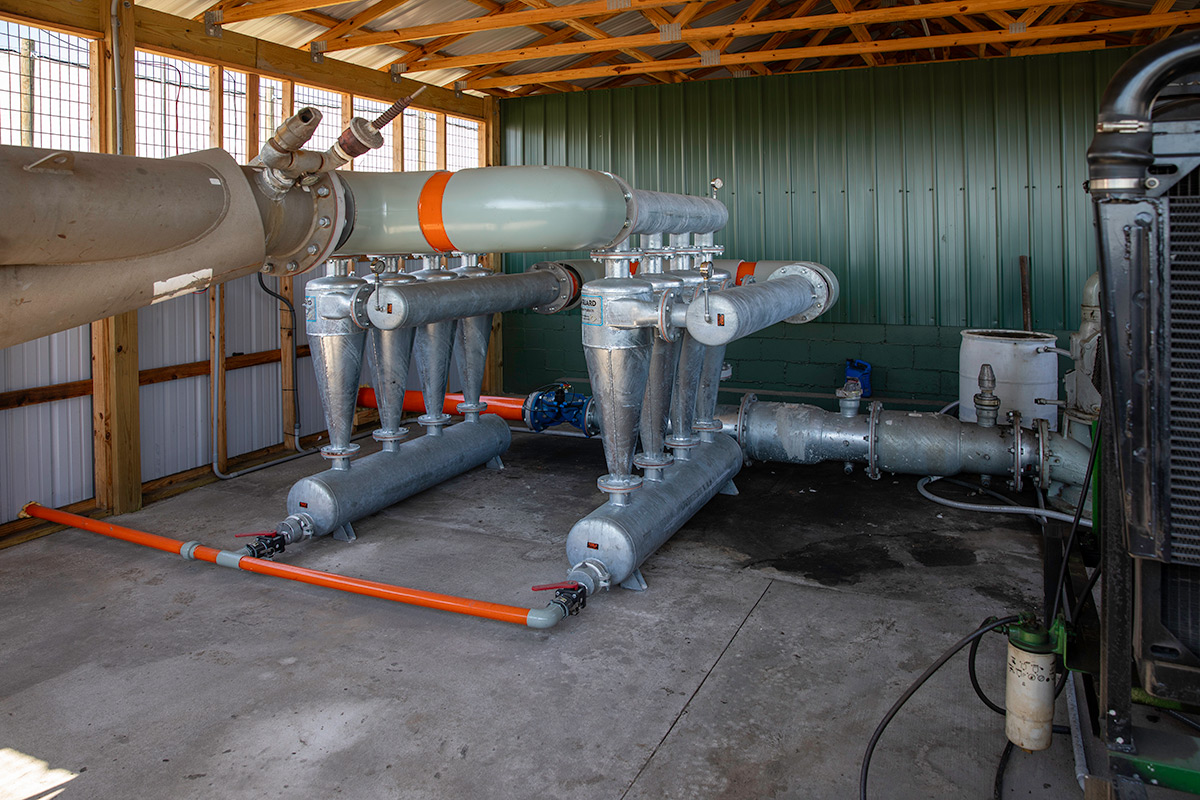
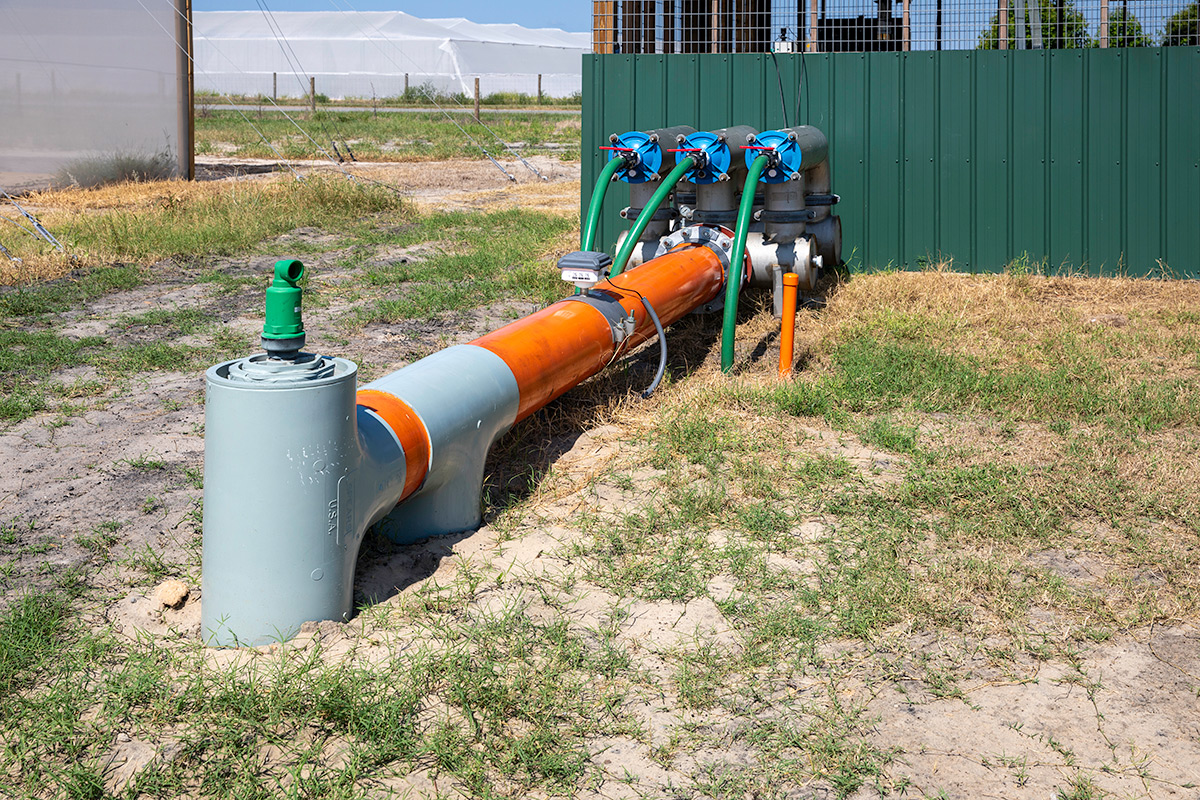
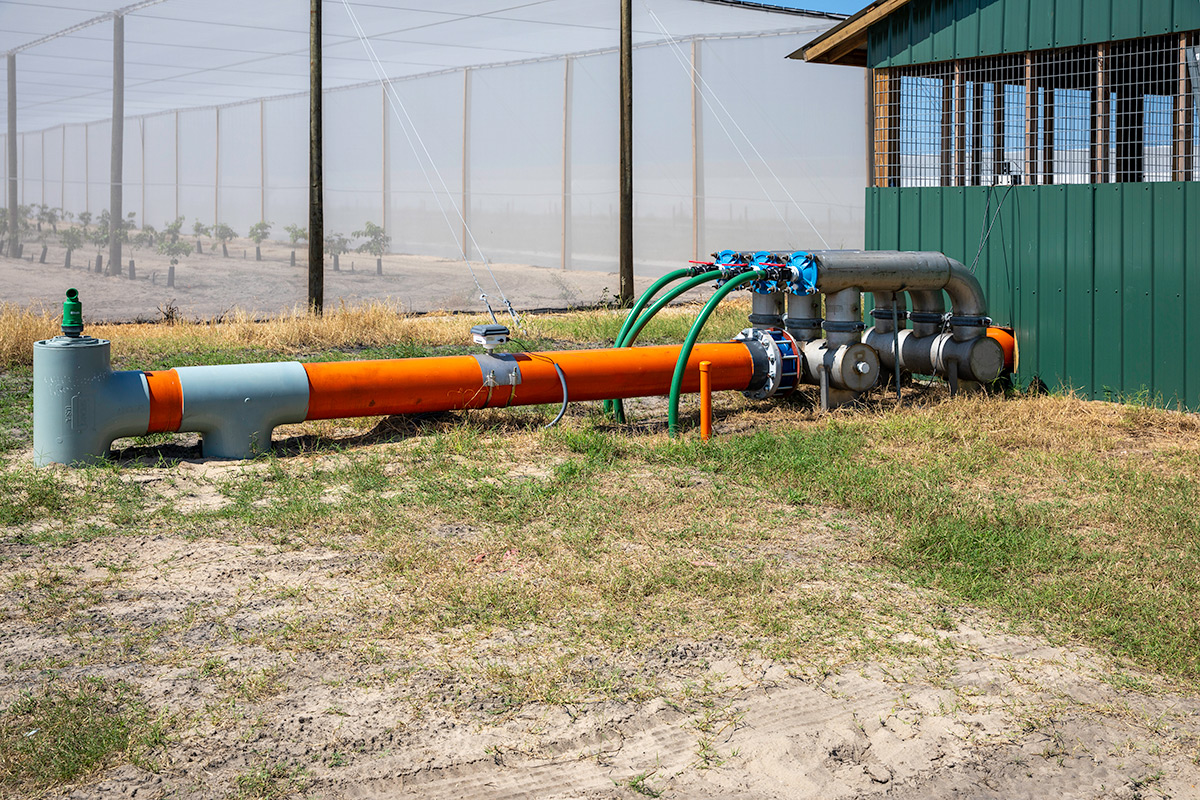
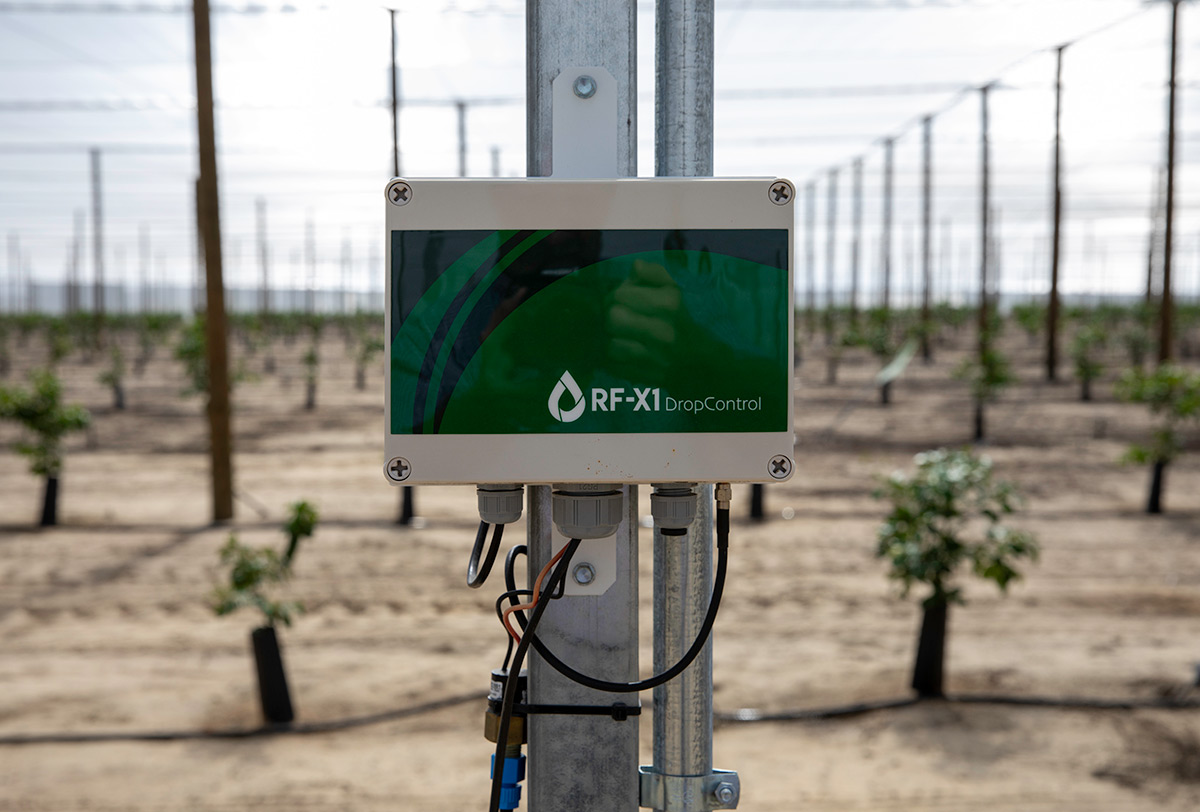
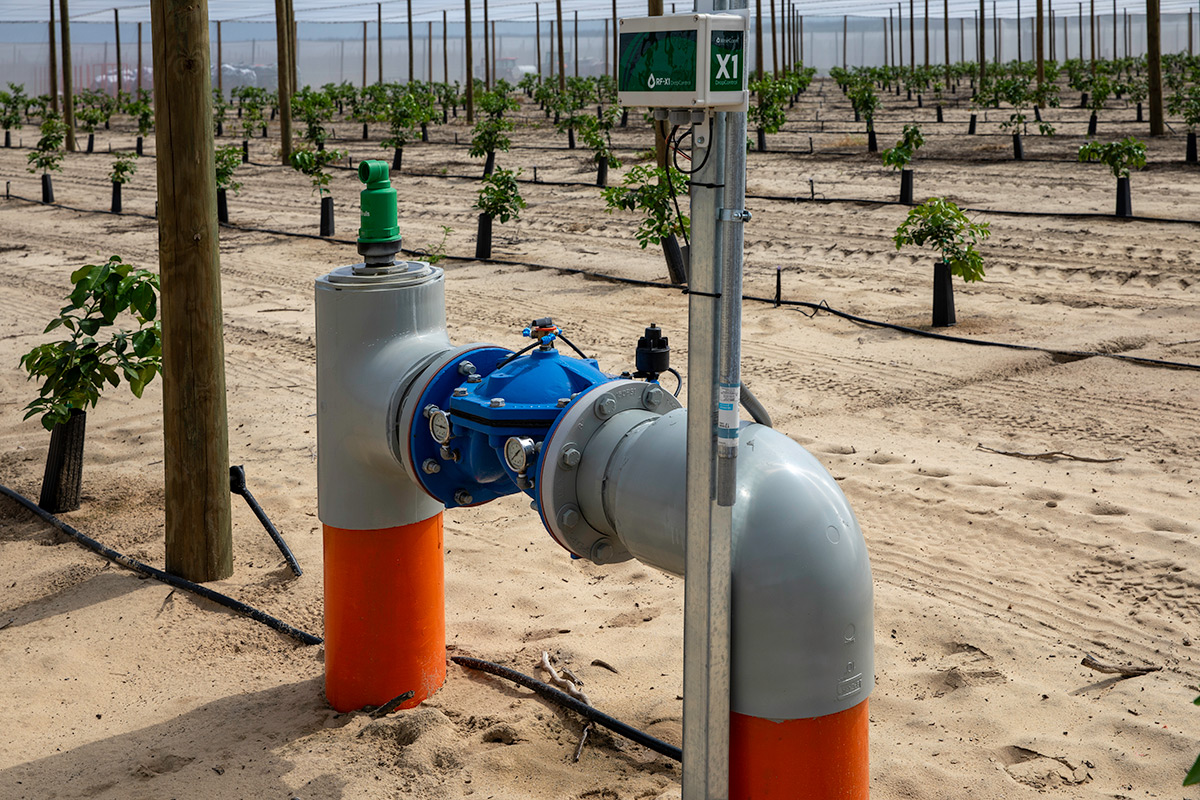
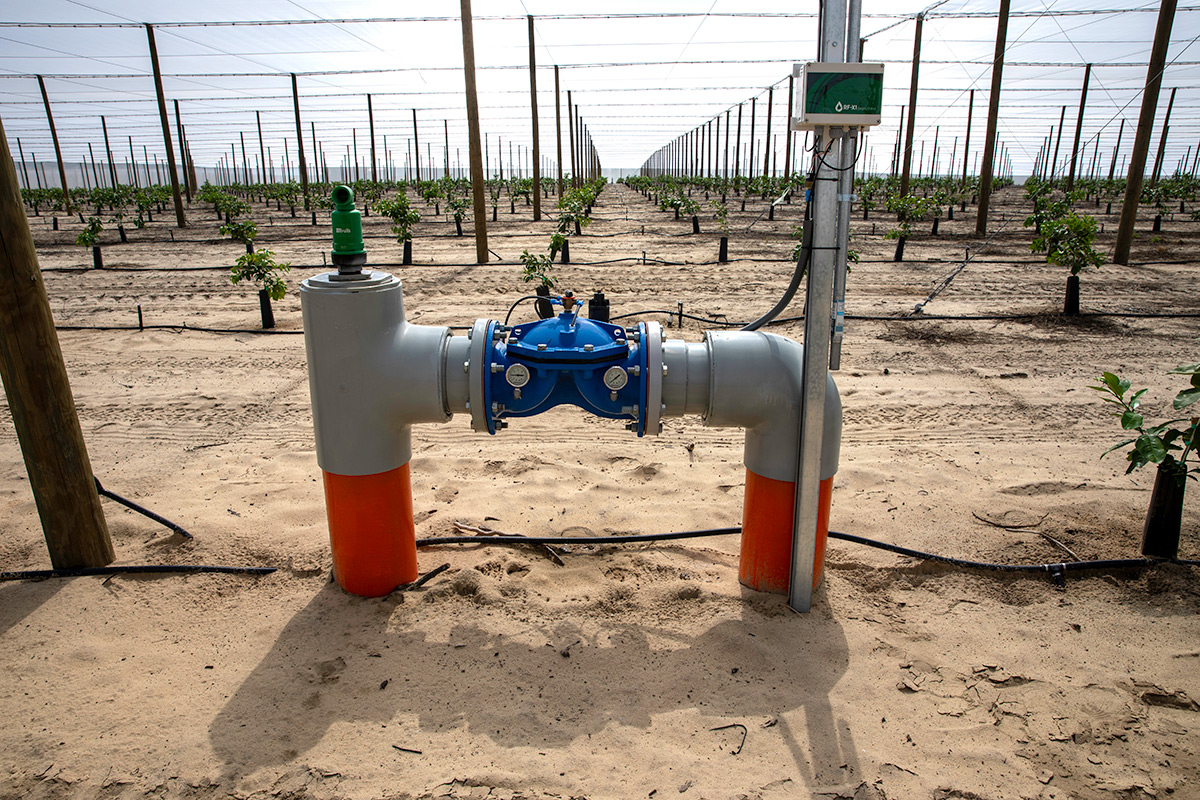
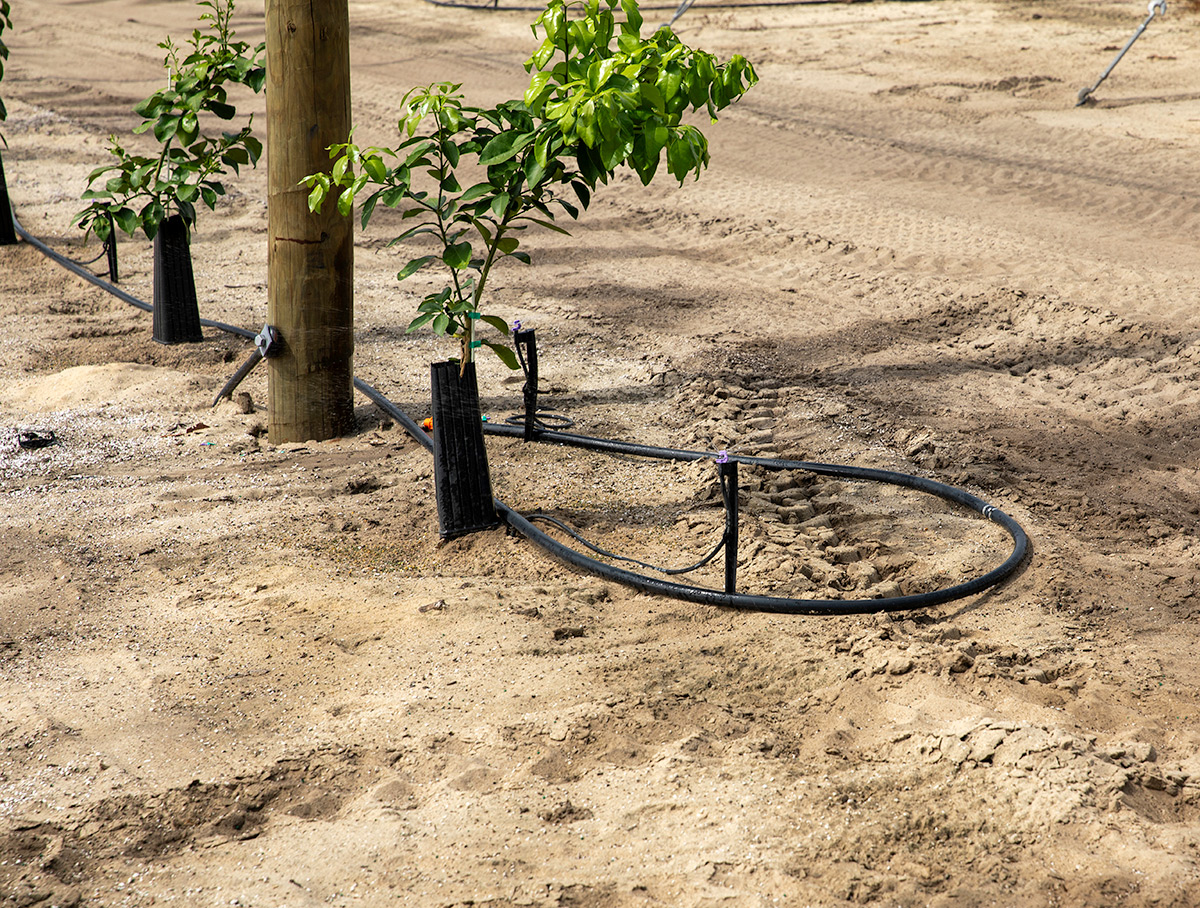
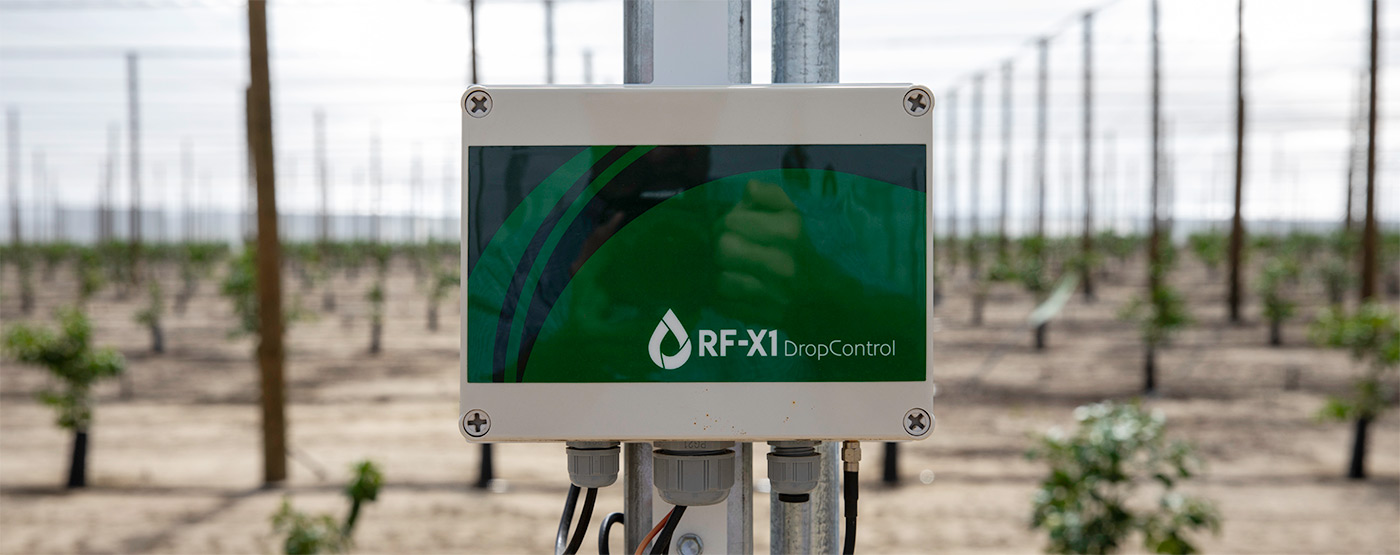
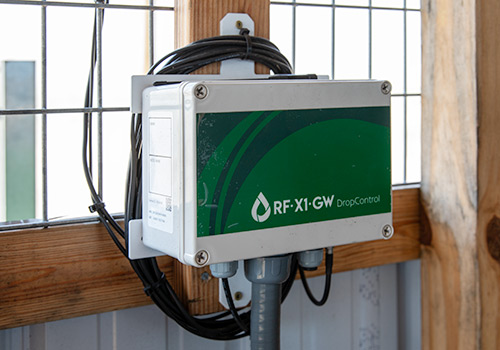
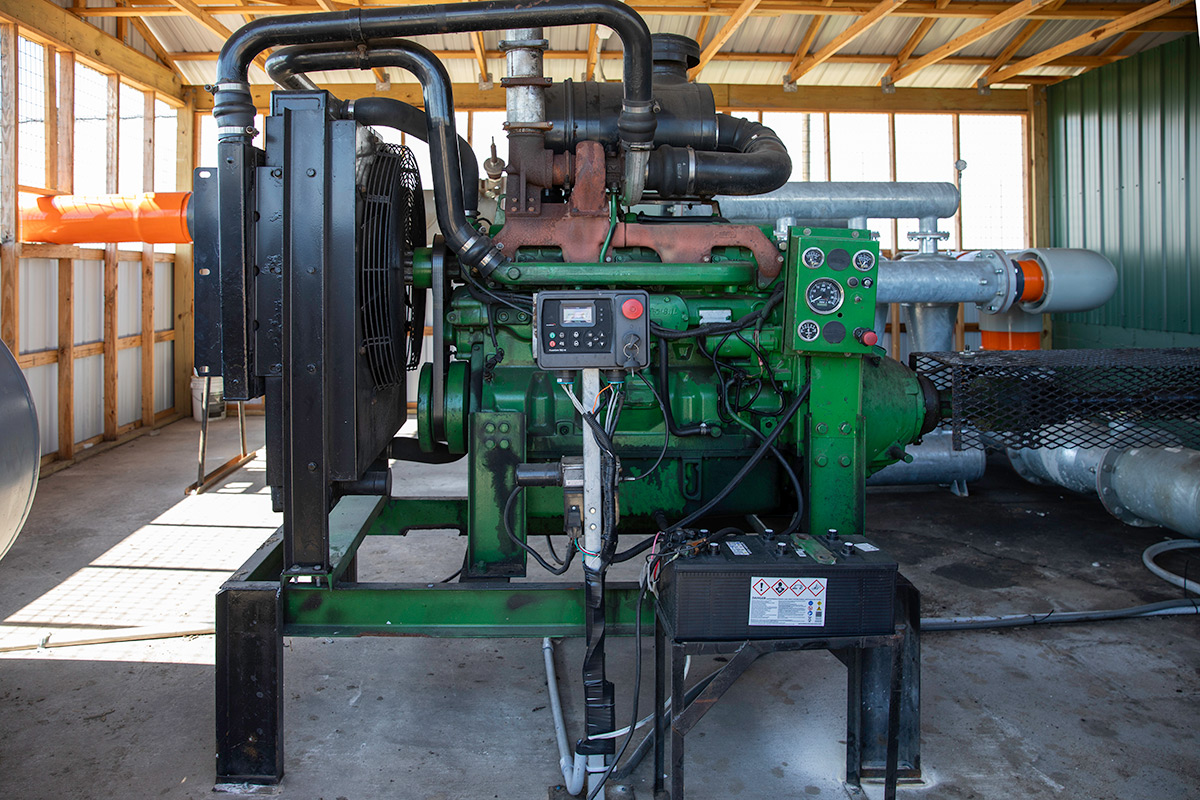
Harplyn recently had the privilege to design and install the irrigation system for a large CUPS citrus facility in central Florida. The system included Flowserve Turbine pumps w/John Deere engines and a Sand Separator/Spin Clean Filtration system operated by WiseConn Automation. See more about this project.
What Is CUPS?
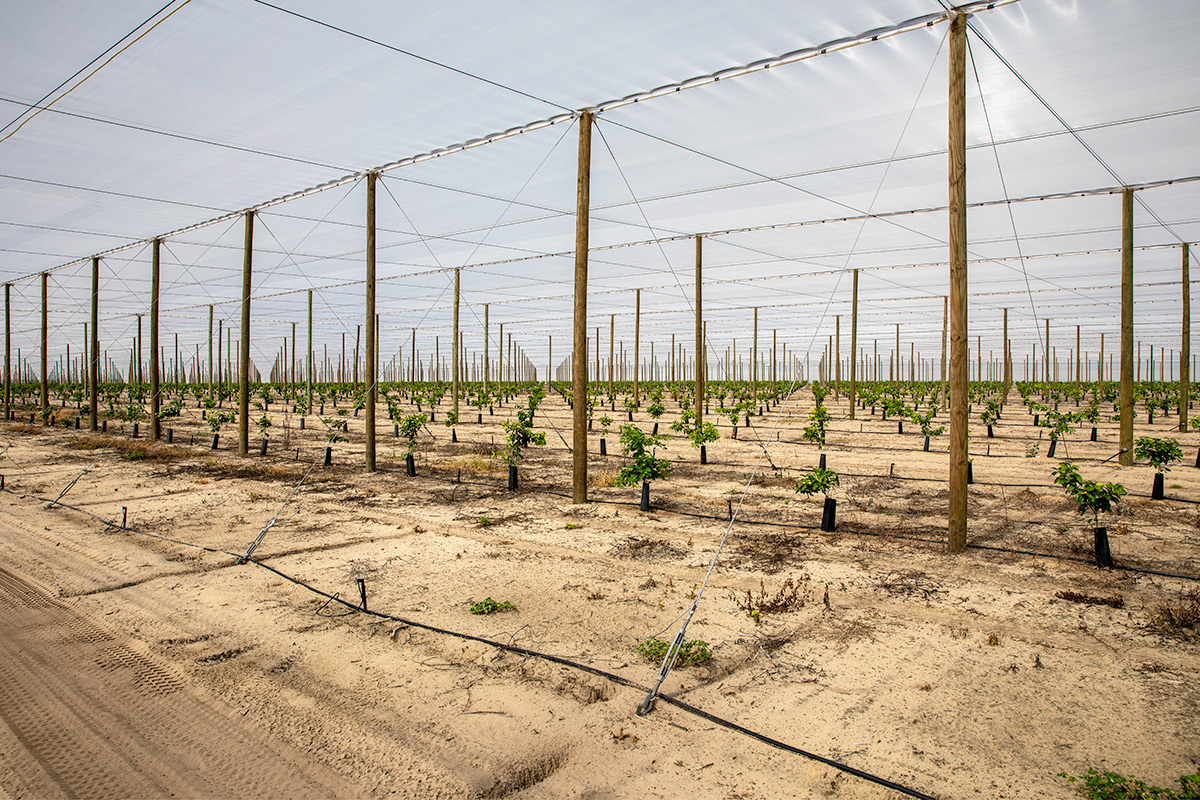
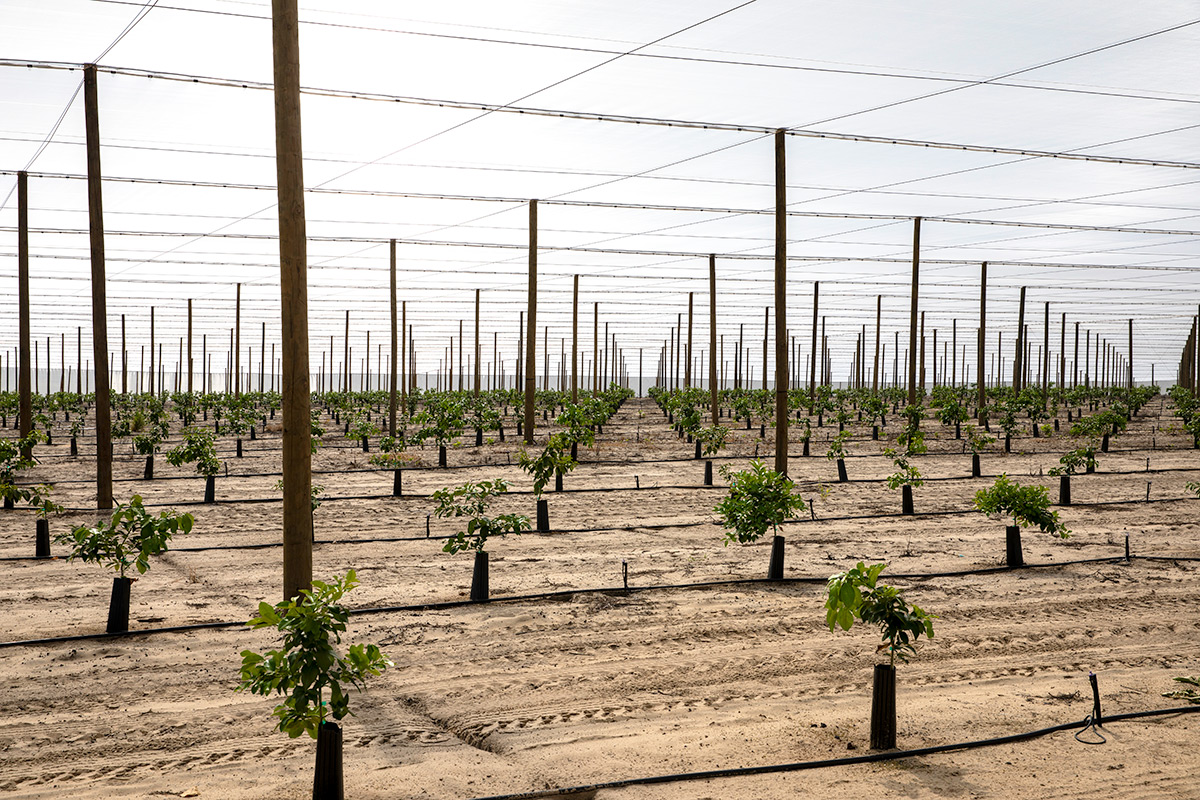
CUPS involves growing citrus inside expansive screened structures made of fine mesh. Unlike traditional greenhouses, these enclosures are built to allow in natural sunlight, rainfall and air circulation while preventing psyllids from entering. By cutting off access to the insect that carries HLB, trees can remain healthy and capable of producing marketable fruit.
Why It’s Important
This approach represents a major change in how citrus can be grown in Florida. Instead of relying heavily on chemical control, CUPS creates a physical barrier against disease. Early results have been highly encouraging:
- Stronger tree growth – Protected trees thrive, often showing more vigorous development than those grown in open groves.
- Boosted harvests – Fruit output is far higher compared to HLB-impacted groves.
- Improved fruit quality – Produce is larger, juicier and more attractive to buyers.
- Environmental efficiency – With fewer pest pressures, growers can use less pesticide, fertilizer, and water, making the system more sustainable.
Challenges Facing CUPS
- Despite its promise, the system has hurdles to overcome:
- High upfront cost – Screen house construction typically runs about one dollar per square foot, which can be prohibitive for smaller growers.
- Weather risk – Strong storms or hurricanes can damage mesh panels, leading to costly repairs.
- Other pest issues – While psyllids are excluded, insects like mites or thrips, as well as fungal problems, can still develop inside the enclosures.
Adoption in Florida
Since University of Florida researchers began experimenting with CUPS in the mid-2010s, the concept has spread quickly. Commercial producers now maintain hundreds of acres under screen, and grower cooperatives are investing in large-scale systems. Many operations are already seeing profitable returns, proving the method can succeed beyond experimental trials.
The Future of Citrus Production
CUPS is more than a temporary fix—it signals a new direction for the industry. By merging pest exclusion with precise management, growers are showing that high-quality, greening-free citrus can still be produced in Florida. Although the price of construction and weather vulnerability remain concerns, continued improvements could make this system more affordable and widespread in the years ahead.